Your bones support your body, protect important organs and work with your muscles to help you move. They also store minerals, including calcium, that your body needs for other essential functions.
Healthy bones matter at every age. During childhood and adolescence, bones grow and become stronger. During adulthood, maintaining bone strength becomes important. As we grow older, bone loss and changes in balance or muscle strength can increase the risk of fractures.
Although age, family history and certain medical conditions affect bone health, everyday habits can also make a difference. Eating well, staying active and recognizing potential problems are important ways to look after your bones.
Key information
- Bones are living tissues that continually change throughout life.
- A balanced diet provides nutrients needed for healthy bones.
- Physical activity helps maintain bones, muscles and balance.
- Smoking and excessive alcohol consumption can harm bone health.
- Some medical conditions and medicines can increase the risk of bone loss.
- A fracture after a minor fall may indicate an underlying bone-health problem.
1. Understanding your bones
Bones may feel hard and unchanging, but they are living tissues. Your body continually removes small amounts of old bone and replaces them with new bone.
During childhood and adolescence, new bone is produced rapidly as the skeleton grows. People generally reach their greatest bone mass during early adulthood. As they get older, bone may gradually be lost faster than it is replaced.
If too much bone is lost, bones can become weaker and more likely to break. Osteoporosis is one condition that causes this problem.
Developing healthy habits early and maintaining them throughout life can help protect bone health.
2. Eat a balanced diet
Your bones require several nutrients to develop and remain healthy.
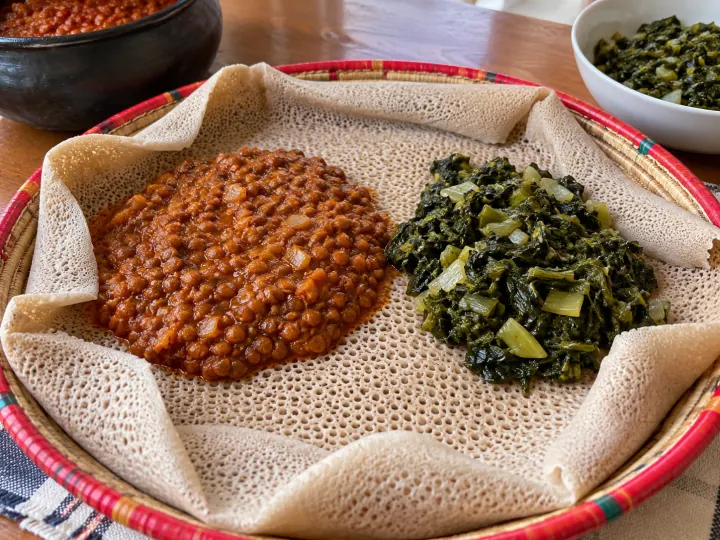
Calcium is a major mineral in bones and teeth. Milk, yogurt and certain green vegetables are among the foods that can provide calcium.
Vitamin D helps your body absorb calcium. It can come from certain foods, fortified products, supplements when indicated and vitamin D produced by the skin in response to sunlight.
Protein is important for bones, muscles and other body tissues. Foods such as beans, lentils, chickpeas, eggs, dairy products, fish and meat can help provide protein.
Other vitamins and minerals also contribute to overall health. This is why eating a variety of foods is preferable to concentrating on one nutrient or expecting a particular food to strengthen bones on its own.
3. Stay physically active
Physical activity provides stimulation that helps bones and muscles maintain their strength.

Walking, dancing, appropriate weight-bearing activities and resistance exercises can contribute to bone health. Activities that improve muscle strength and balance also help reduce the likelihood of falling.
You do not need an expensive gym membership to become more active. Walking, active recreation and suitable exercises at home can all contribute to a healthier lifestyle.
Choose activities that match your age, abilities and health. If you have osteoporosis, a previous fracture or significant mobility limitations, seek professional advice before beginning demanding exercises.
4. Avoid habits that damage bone health
Smoking is associated with poorer bone health and increased fracture risk. Heavy alcohol consumption can also affect bones and increase the likelihood of accidents and falls.
Avoid prolonged inactivity where possible. If a medical condition or injury limits your movement, discuss suitable activity and bone-health protection with your healthcare professional.
Do not stop prescribed medication because you are concerned about its effects on bones. Some medicines can affect bone health, but changing treatment without professional advice may cause other serious problems.
5. Pay attention to your bone health as you age
Your needs and risks change throughout life.
Children and adolescents need sufficient nutrition and opportunities for physical activity to support bone development.
Adults benefit from maintaining healthy eating and exercise habits.
Older adults may need greater attention to muscle strength, balance, fall prevention and conditions such as osteoporosis.
Women may experience accelerated bone loss around menopause, while men can also develop osteoporosis as they get older.
6. Know when to seek medical advice
Consider discussing your bone health with a healthcare professional if you experience:
- A fracture following a minor fall or ordinary activity.
- Repeated fractures.
- Unexplained loss of height or a new stooped posture.
- Persistent, unexplained bone or back pain.
- Concerns about osteoporosis or medicines that may affect your bones.
These findings do not necessarily mean that you have osteoporosis, but they may require assessment.
Common questions
Can weak bones become stronger?
Bone health can often be improved or better protected through appropriate nutrition, physical activity and treatment when necessary. The extent of improvement depends on age, underlying conditions and other factors.
Do I need calcium supplements to keep my bones healthy?
Not necessarily. Many people can meet their calcium needs through food. Supplements may be appropriate when dietary intake is insufficient or a healthcare professional identifies a specific need.
Is walking enough to maintain bone health?
Walking is beneficial, but muscle-strengthening activities and, especially in older adults, balance exercises provide additional benefits.
Related BOSAD guides
- Eating well for healthy bones.
- Exercise for healthy bones.
- Keeping your bones healthy as you get older.
- Osteoporosis: understanding weak bones.
References for editorial review: National Institute of Arthritis and Musculoskeletal and Skin Diseases, Osteoporosis; Calcium and Vitamin D: Important for Bone Health; and Exercise for Your Bone Health.
Clinical basis: NIAMS bone-health, nutrition and exercise guidance.
