Bones are not fixed scaffolding. They are living tissue that changes throughout life, responding to growth, movement, nutrition, illness and age. Building and maintaining healthy bones is therefore not a single food, exercise or supplement choice. It is a long-term pattern of everyday support, combined with timely assessment when a person’s history or circumstances make bone problems more likely.
This guide brings together practical principles for children, adults and older people. It is written for reflection and conversation—not to diagnose osteoporosis, prescribe a diet or replace care from a qualified health professional. Some recommendations cited below come from international or high-income-country guidance; they should be interpreted alongside local Ethiopian services, food availability and individual needs.
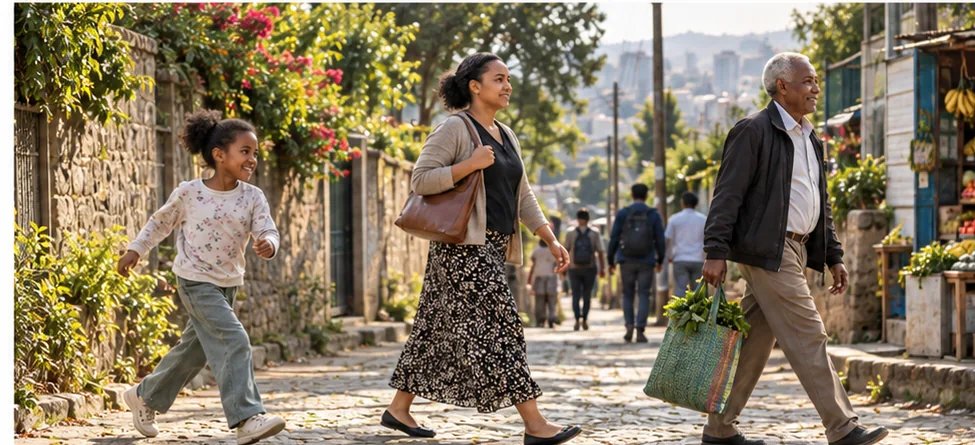
First, what does “healthy bone” mean?
Bone is strong, but it is also active. Across life, old bone is broken down and new bone is formed. During childhood and adolescence, the skeleton grows and accumulates bone. In adulthood, the body continues to renew bone, while the balance between building and breakdown gradually changes with age and life circumstances. Calcium forms a major part of bone, and vitamin D helps the body absorb calcium; muscles, movement and overall health matter too. [1] [2]
Osteoporosis is a condition in which bones become less dense and their internal structure weakens, making fractures more likely. It can develop without obvious symptoms. For some people, a fracture is the first sign that bone strength needs attention. A fracture after a fall from standing height or a similarly modest impact can be a reason to ask a health professional whether an assessment is appropriate; it is not possible to determine the cause from the story alone. [3]
Bone health is built over time—and it is influenced by much more than personal willpower. Health, access, safety, food, work, family responsibilities and the places where people live all shape what is possible.
A practical starting point for a whole-life approach
A foundation that changes through life
Childhood and adolescence: room to grow
Growing years are an important time for building bone and muscle. Children and adolescents benefit from varied, enjoyable movement that fits their age and ability—active play, walking, running, dancing, jumping, sport and other activities that involve moving the body against gravity. The World Health Organization describes physical activity as including movement during transport, work, domestic life, leisure and play; it also notes that activity supports bone health and healthy growth in children and adolescents. [4]
For families and schools, the useful question is often not “Which special exercise should a child do?” but “How can we make regular movement safe, welcoming and enjoyable?” Space to play, inclusive physical education, active journeys where safe, and opportunities that do not depend on expensive equipment can all matter. If a child has pain, a disability, a chronic condition or a recent injury, activities should be adapted with advice from the child’s care team where needed. Specific activity targets are not a substitute for that individual judgment.
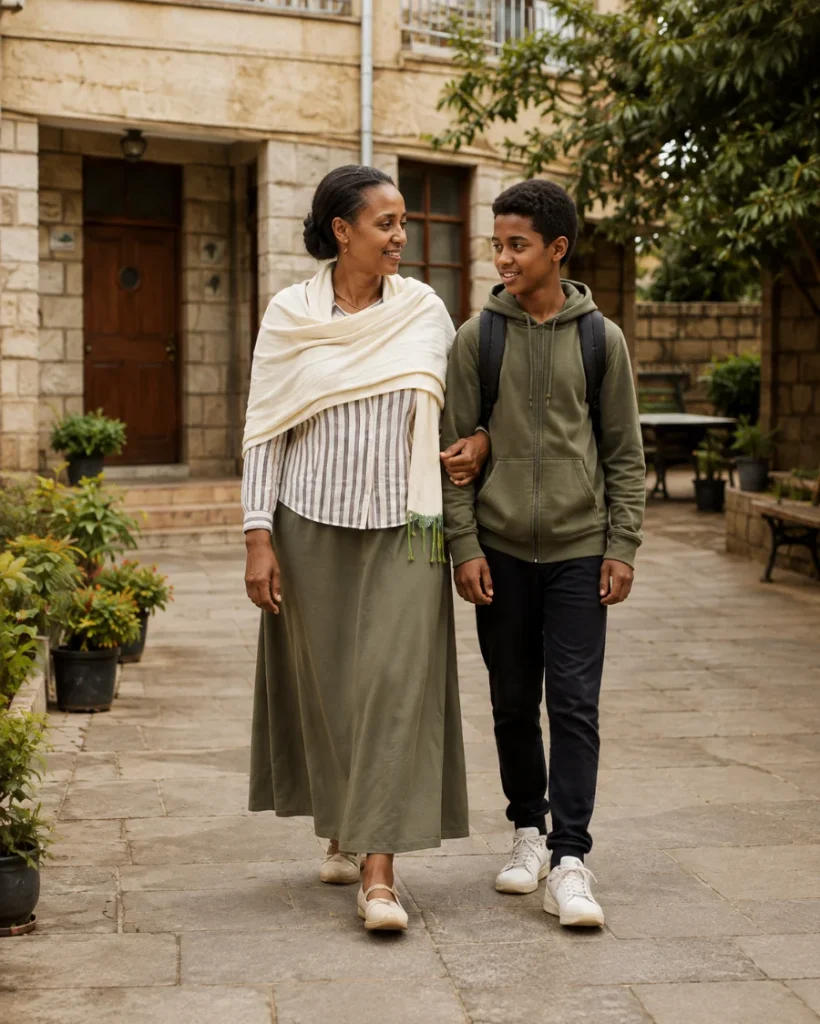
Adulthood: maintain strength and make movement part of life
In adulthood, movement supports more than bones alone. Walking, climbing steps, dancing, carrying out daily tasks, resistance work and balance activities each challenge the body in different ways. Weight-bearing movement uses the legs and trunk to support body weight; muscle-strengthening activity asks muscles to work against resistance. Regular activity can help maintain muscle strength and balance as well as bone health. The right mix depends on a person’s health, starting point, surroundings and preferences. [5]
Movement does not need to begin as a formal exercise program. A short walk, active household tasks, standing breaks during long periods of sitting, or a familiar dance may be a more realistic first step. When possible, build gradually and choose something enjoyable enough to repeat. The WHO emphasizes that some activity is better than none and that movement can take place during transport, work and domestic life—not only in sport or a gym. [4]
Later life: protect confidence, strength and independence
Ageing does not make activity pointless. Strength, balance and mobility remain relevant to daily tasks, participation and confidence. Some people will need adapted movement or support to exercise safely—particularly after a fracture, with osteoporosis, persistent pain, vision changes, dizziness or a condition affecting balance. A clinician or rehabilitation professional can help make an activity plan that respects restrictions and personal goals. If someone has had a spinal fracture or has been told they have osteoporosis, ask before starting high-impact activity or repeated deep bending. [5]
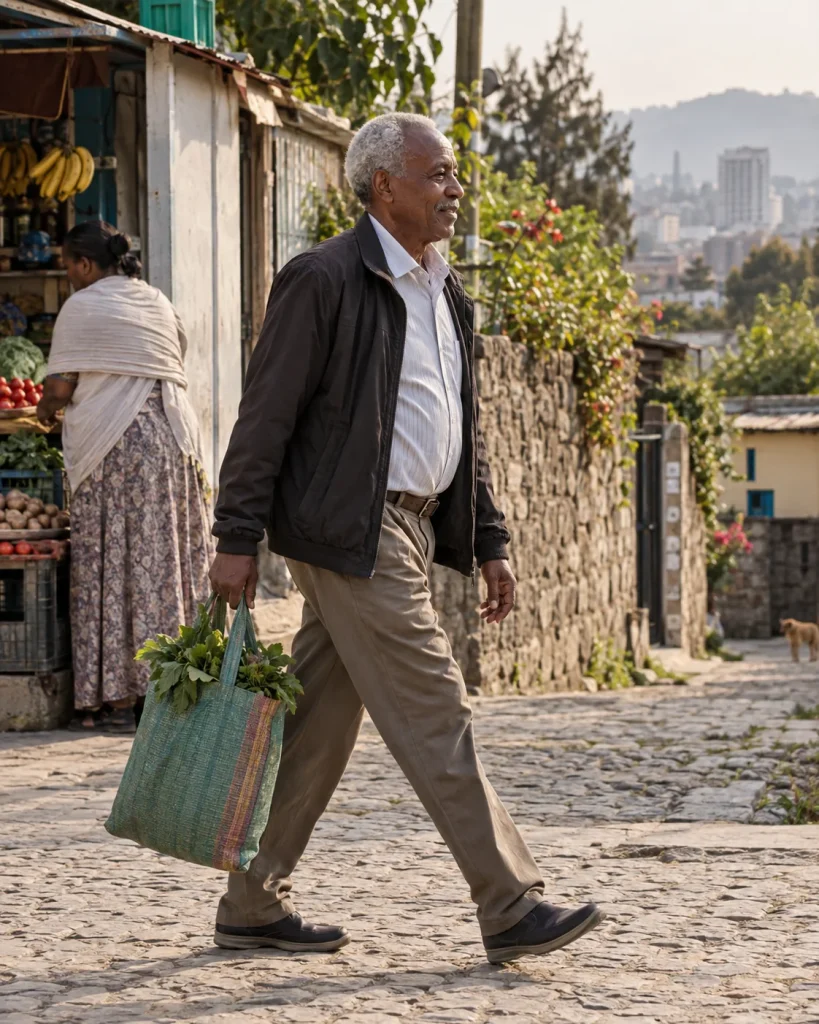
Food: aim for a nourishing pattern, not a miracle ingredient
Calcium is an important building material for bone. Vitamin D helps the body absorb calcium. Protein and other nutrients also contribute to normal growth and tissue maintenance. A varied eating pattern is more useful than treating one food as a cure. Calcium is found in dairy foods such as milk and yoghurt, and also in some leafy vegetables, fish eaten with its bones, calcium-set tofu and foods fortified with calcium. Which foods are practical depends on local availability, affordability, culture, health needs and what a person can safely eat. [1]
Vitamin D is less widely available naturally in foods than calcium. Some fish, eggs and fortified products can provide it, but fortification practices differ between countries and products. Sunlight enables the body to make vitamin D, yet safe exposure varies with skin, clothing, season, time outdoors and other factors. Sun exposure is not a simple prescription, and deliberately risking sunburn is not a bone-health strategy. [2]
Supplements are not automatically necessary for everyone, and more is not always better. The amount a person needs can depend on age, diet, pregnancy, medical conditions, medicines and local guidance. High-dose supplements may be harmful or interact with medicines. If you are concerned about low intake, a diagnosed deficiency, a restricted diet or a health condition affecting absorption, discuss the safest next step with a qualified professional rather than starting a high dose on your own. General nutrient tables from another country should not be treated as a personal prescription. [1] [2]
Everyday habits and risks worth discussing
Bone strength is shaped by several interacting influences. Smoking, frequent heavy alcohol use, prolonged inactivity, very low body weight, inadequate nutrition, some medical conditions and some medicines can be associated with fracture risk. Age, menopause, family history and a previous fracture can also matter. These factors do not determine one person’s future, and they are not a reason for blame. They help a clinician decide whether a closer conversation or assessment might be useful. [3] [6]
Falls deserve attention in their own right. A fall can reflect an interaction between balance, muscle strength, vision, medicines, footwear, surfaces, lighting and the design of a home or public space. Some changes may be straightforward; others require clinical review, assistive products, rehabilitation or wider environmental support. The aim is not to restrict someone’s independence unnecessarily. It is to understand what is making movement unsafe and work with the person on practical options. WHO identifies falls as one of the modifiable risk factors considered in fragility-fracture prevention. [3]
When is it worth asking for an assessment?
You do not need to wait until something feels urgent to ask a health professional about bone health. Consider raising it if you have had a fracture after a relatively minor fall or impact, have had more than one fracture, have a close family history of hip fracture, have gone through menopause, have lost height or developed persistent back pain, or use a medicine that may affect bone strength for a long time. These examples are conversation prompts, not a checklist that diagnoses osteoporosis. A clinician can weigh a person’s full history, examination and access to testing or treatment. [3] [6]
A fracture, new severe pain, visible deformity, inability to use a limb, or another concerning change after an injury needs appropriate assessment based on the situation and local services. A general bone-health article cannot determine whether a bone is broken or tell you which treatment is right. If you are unsure, contact a health professional or local health service for advice.
Small steps that can make the conversation practical
There is no single routine that fits every household. Instead of trying to change everything at once, choose one realistic question or step:
- Notice what is already working. Which everyday foods, activities and supports are part of your routine now?
- Choose one achievable movement opportunity. Could you add a safe walk, active task, play opportunity or balance activity that suits your circumstances?
- Make food questions specific. Ask which locally available foods can help meet your needs, especially if cost, appetite, allergies or a restricted diet is a concern.
- Review your own risks with a professional. Mention previous fractures, family history, falls, long-term medicines and relevant health conditions.
- Agree on the next step. Ask whether assessment, a referral, follow-up or a change in the environment is appropriate—and when to seek help sooner.
Questions to take to a care visit
- What parts of my history are relevant to bone health?
- Could any of my medicines or health conditions affect my bones?
- Are there locally available foods or activities that fit my needs and budget?
- Would any examination or test change what we do next?
- What movement is appropriate for me, especially after an injury or fall?
- What should prompt me to return or seek urgent assessment?
It can help to write down the plan and ask for unfamiliar terms to be explained. If you would like a family member, caregiver or support person involved, say so. A good conversation should make room for what matters to you—including daily responsibilities, mobility, pain, cost, access and the goals you want to keep pursuing.
References and further reading
The links below informed this educational sample. They are not all Ethiopia-specific guidance. Recommendations, service pathways and nutrient standards can differ by country and person; use them as background reading and seek local professional advice for individual decisions.
- Calcium: Fact Sheet for Consumers. U.S. National Institutes of Health, Office of Dietary Supplements. Information on calcium’s role, food sources, supplements and safety.
- Vitamin D: Fact Sheet for Consumers. U.S. National Institutes of Health, Office of Dietary Supplements. Information on vitamin D, calcium absorption, foods, sunlight and supplement safety.
- Fragility fractures. World Health Organization. Risk factors, prevention principles and care considerations.
- Physical activity. World Health Organization, 26 June 2024. Health benefits and the role of movement across age groups.
- Physical Activity Guidelines for School-Aged Children and Adolescents. U.S. Centers for Disease Control and Prevention. Examples of bone-strengthening activity for young people; national targets should be interpreted in context.
- Exercise. International Osteoporosis Foundation. Overview of weight-bearing, muscle-strengthening and balance activities, with cautions for people with osteoporosis or fractures.
- Bone health. National Health Service (England). Public information on food and bone health, including material for older adults.
- Osteoporosis. National Health Service (England). Symptoms, risk factors, assessment and treatment overview.
Editorial note: This is a demonstration article created to test BOSAD’s WordPress blog layout. It has not been clinically reviewed or approved for public health use. The photographs are AI-generated concept imagery, not real BOSAD participants. Before publication, BOSAD should commission clinical review, localize advice and sources for Ethiopia, verify links and translation needs, and replace concept images with appropriately consented photography.